




This Event has Passed
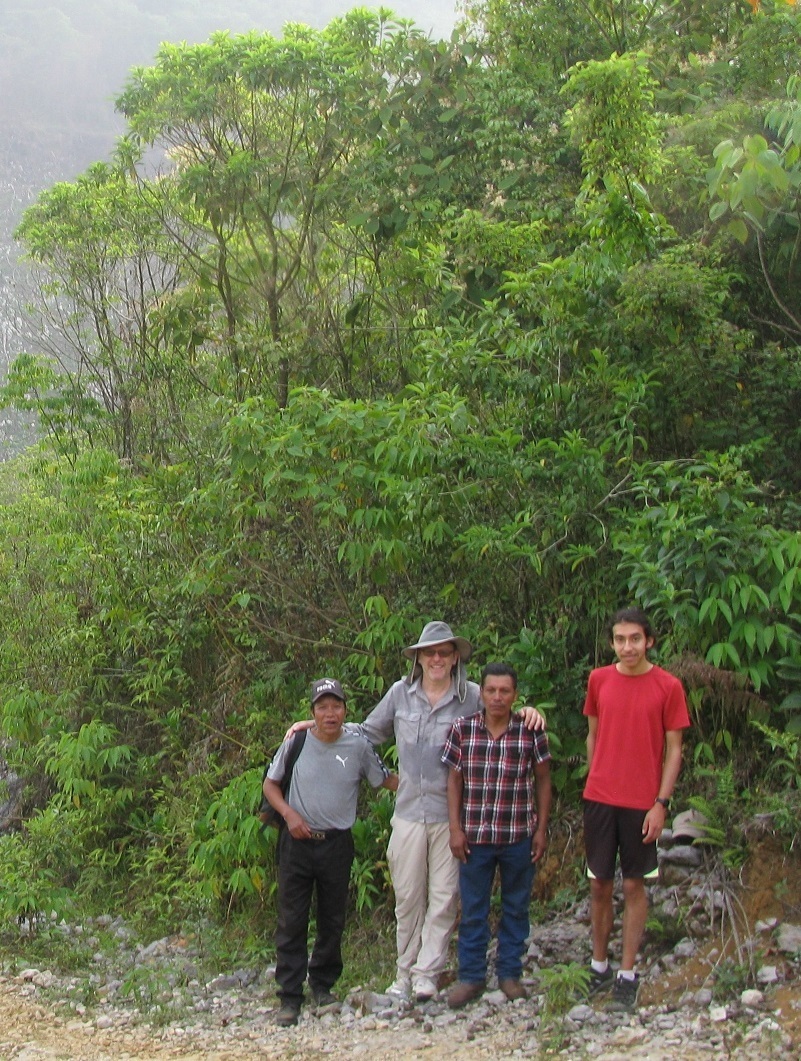
Guatemala Project celebrates 2024 team volunteers May 18, honors 31-year partnership with rural Maya


St. Michael’s Guatemala Project hosts an informal “Despedida” (Sendoff) celebration Saturday, May 18, 3 p.m. The free public program honors team volunteers leaving for Guatemala, former team participants, and all who have supported the Project over its 31-year history.
Expect informal conversation with past and present team volunteers, a brief public program beginning at 3:30, and refreshments including Guatemalan specialties and home-baked treats. A selection of traditional textiles and non-traditional crafts will be on sale.
St. Michael’s is located at 602 N. Wilmot Road (at 5th Street). All events are in the Parish Center.
The 2024 team includes ophthalmologist spouses Lisa Lane and Jason Levine, their teen son Niko (with guitar), and bilingual promotora and Tucson Samaritans volunteer Taylor Leigh, all arriving in June. Coordinator Ila Abernathy leaves for Guatemala in late May, to complete advance planning with Maya health leaders.
Donations are welcomed, to help cover event costs and to support the ongoing partnership with rural Ixil and K’iche’ Maya communities of the CPR-Sierra, organized by internal refugees fleeing massacres during Guatemala’s 36-year armed conflict.
Teams this year will be the first since a profound change in the political landscape that occurred January 14, with inauguration of Bernardo Arévalo as the first socially-committed president since the 1940's.
More about Teams
Maya health leaders from the communities are part of every team.
Drs. Lane and Levine are the first ophthalmologists to visit CPR communities and will work in areas without access to sophisticated instruments.
RN Dorothy Chao, active on past teams, remarks that flexibility is key. Abernathy adds that a sense of humor helps, as long a one laughs at oneself. Respect for cultures and local traditions is paramount.
Donations to the project support Maya health volunteers, medical travel and accompaniment, training by in-country health professionals, children who require special treatment, and other needs identified by communities and CPR health leaders.
