




×
Your location has been changed to Tucson area.
This Event has Passed
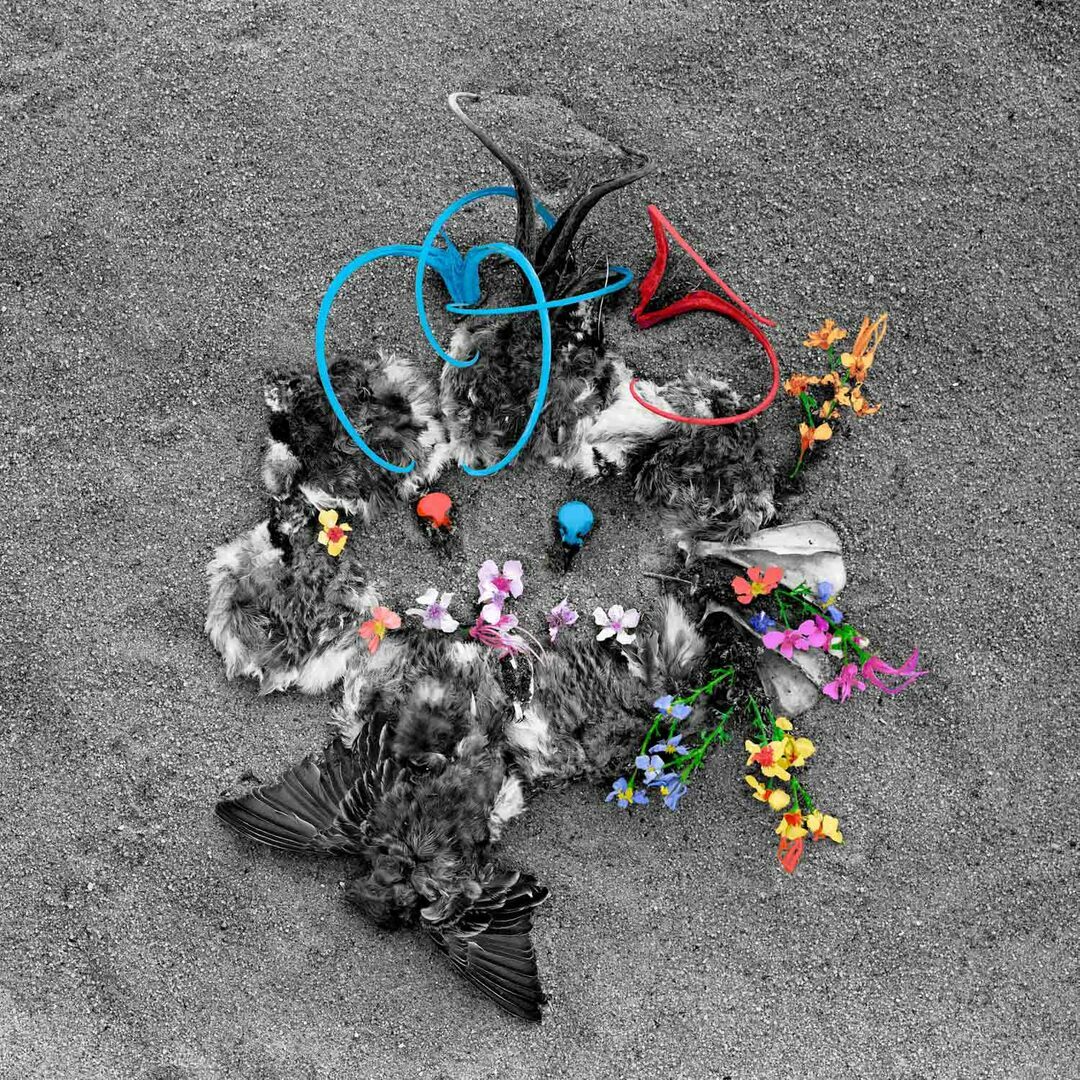
Photography Exhibition - Duwawisioma (Victor Masayesva Jr.): Matakyuma


Andrew Smith Gallery Arizona LLC. is pleased to announce the exhibition Matakyuma by legendary Hopi photographer and filmmaker Duwawisioma (Victor Masayesva Jr.). Duwawisioma (b. 1951) continues a lifelong quest to understand “existence” and “being” in terms of Hopi ancestral traditions in the modern world. In this exhibition he focuses on the universal ideas engendered in the Hopi lunar agricultural cycle, combining cosmology, the emergence of the Hopi, animating the personalities of place, and elements of nature, death that leads to regeneration, and cycles of creation and destruction. Duwawisioma grew up in Hotevilla, Arizona, on the Hopi Third Mesa. He attended the Horace Mann School in New York City in his teens and then studied English literature and photography at Princeton University. Outside of his schooling he has always lived in Hotevilla, where he has worked with the community youth and elders to record Hopi cultural history and has worked in many other capacities in the civic life of the Hopi and the religious life of his clan and community. Since 1981 he has been making groundbreaking movies and videos such as Hoplit (1982) and Itam Hakim Hoplit (1984) made in the Hopi language and selected for the National Film Archives in 2023, Ritual Clowns (1988) receiving the American Film Institute’s Maya Deren Award, Imagining Indians (1992), and Paatuwaqatsi - Water, Land and Life (2007). During the last 32 years, the Andrew Smith Gallery has hosted half a dozen exhibitions of Duwawisioma 's work: Recent Works (1991), Victor Masayesva Jr. (1993), Tumuola (1996), Nuclear Reservations (1998) and Drought (2006).
The Hopis' survival has always depended on prayers for favorable weather conditions. For thousands of years the Anasazi and later the Hopi have inhabited a region of high, arid mesas where there is little rainfall. No rivers or streams flow through the territory, though a few permanent springs provide the people with drinking water. Over time, the Hopi developed their own farming systems and crops particularly suited to their specific environment. Integral to this is the respect and reverence for nature and its elements and ceremonies that promote this. Duwawisioma’s images describe the animated and difficult relationships man has with the elements of the land. Relationships with places of emergence and spirits, the personalities of various elements of nature, the heat and the chill must all be considered; along with the personalities of specific places, such as places where there might be salt, water, deer, rattlesnakes, or the sacred Sipapuni in the Grand Canyon from where the Hopi emerged. The exhibition includes the 12-print narrative Natwani. This series imagines the Hopi lunar agricultural calendar: when there has been moisture, the timing and planting and harvesting of corn and other crops, the skill of the farmer, and the elements of weather mixed in with a cycle of social activities, marriage, and ceremonial activities.
Corn is the dietary and spiritual base of Hopi life, and a skilled farmer understands this through the activities and rituals associated with the Hopi lunar calendar. The lunar cycles begin with moisture, then cleansing and then there are cycles of wind, planting, and harvest (including marriage). Nature can be generous and beneficial providing germination, new life, and growth but it can also cause drought, pestilence, and plagues of insects.
Event Links
Website: https://go.evvnt.com/2083234-0
