




×
Your location has been changed to Sarasota area.
This Event has Passed
ACE - The Origins of Neoclassicism and the Grand Architecture of the USA


The Origins of Neoclassicism and the Grand Architecture of the USA
[This course stands alone but also follows on from Europe Divided: The Arts as a Force in the Counter-Reformation.]
Neoclassicism emerged in early 18th-century Europe as a reaction against the ornate Rococo and Baroque styles, drawing inspiration from the art and architecture of ancient Greece and Rome. This movement sought to revive classical ideals of harmony, clarity, and restraint, aligning with the Enlightenment's emphasis on reason and order.
The rediscovery of ancient sites such as Pompeii and Herculaneum in the 18th century sparked widespread interest in classical antiquity. Scholars such as Johann Joachim Winckelmann played a pivotal role in shaping Neoclassical aesthetics. His writings emphasized "noble simplicity and calm grandeur," advocating for art that mirrored the idealized forms of ancient Greece.
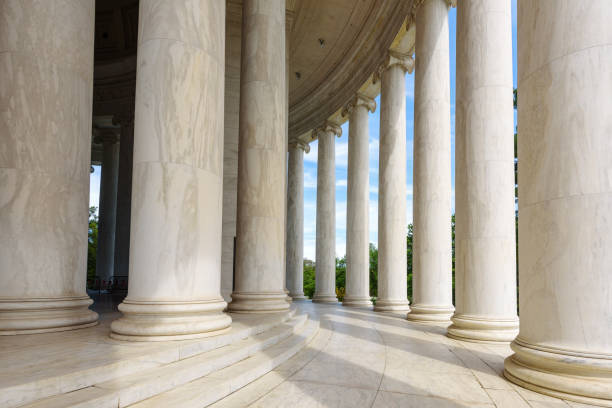
In Britain, architects like Robert Adam and John Soane incorporated these principles into their designs, evident in structures such as the Bank of England. The movement also influenced urban planning in the United States, with cities like Washington, D.C., Philadelphia, and Chicago directly drawing their inspiration from Europe with buildings such as The White House, the Capitol, the Lincoln Memorial, the U.S. Treasury, the Philadelphia Museum of Art, Union Station, Chicago's Field Museum, and the New York Central Post Office, among many others.
We will view this development in part through the eyes of Richard Boyle, Earl of Burlington, and his associates, who were pioneers of this new form. They include Paul Fourdrinier, a Huguenot engraver, recently rediscovered as the primary illustrator of Boyle’s ideas.
The last class will be a tour of the Ringling galleries with the course leader.
Event Links
Tickets: https://go.evvnt.com/3322403-0
Website: https://go.evvnt.com/3322403-2
