





How to Use a Standing Desk When You Have Lower Back Pain
Lower back pain can make a normal workday feel much longer than it should. Sitting too long often tightens the hips, compresses the spine, and encourages slouching. Standing all day can be just as uncomfortable if the setup is wrong. The goal is not to choose one position and stay there. The goal is to build a work routine that changes posture in a way your back can tolerate.
A well-planned desk routine can reduce pressure on the lower back, support better spinal alignment, and make it easier to keep working without constant discomfort. The key is to use your desk with intention. Small changes in height, timing, foot position, and screen placement often matter more than people expect. The sections below explain how to use a standing desk in a way that feels realistic, comfortable, and sustainable.
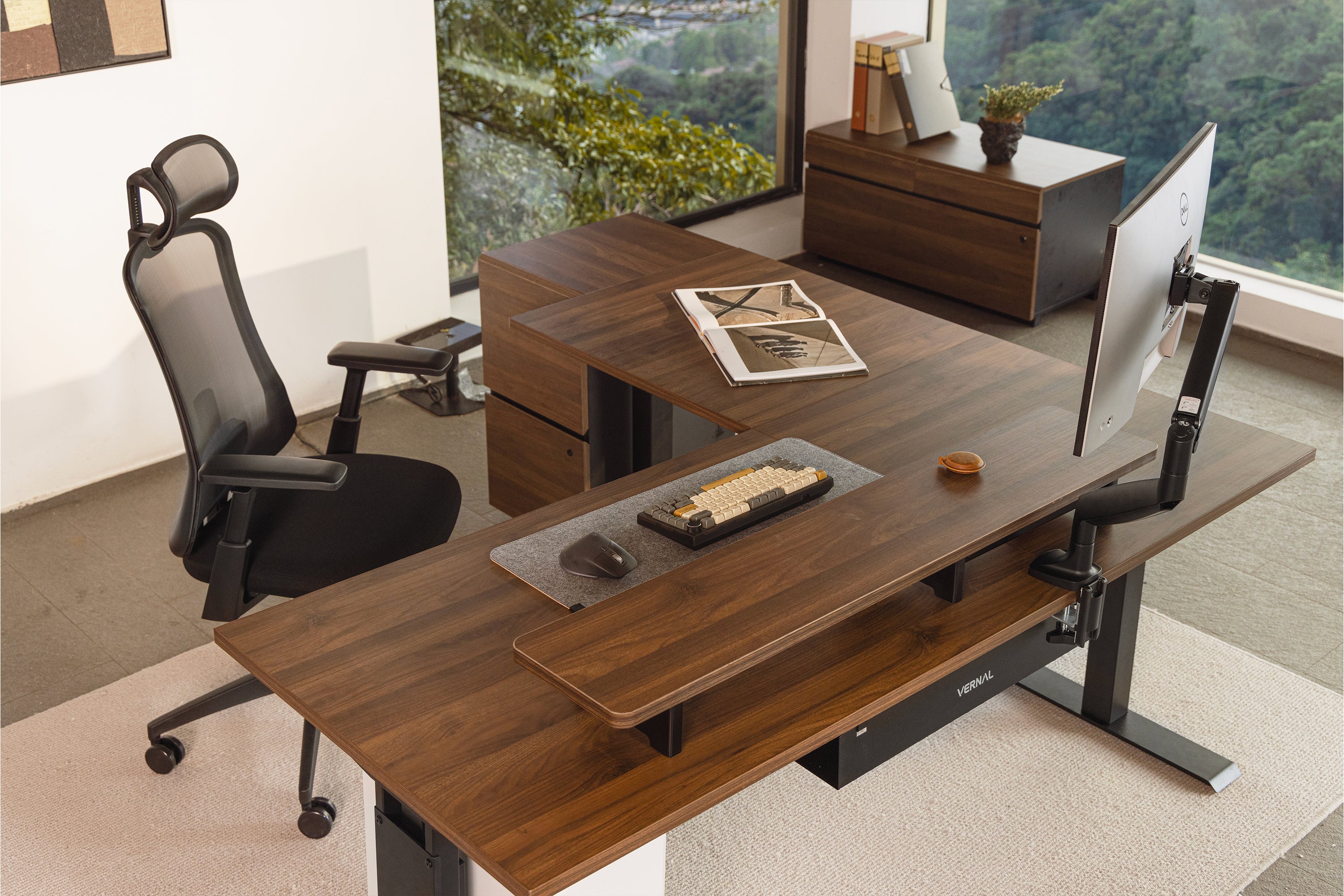
Start with a Standing Desk Setup That Supports the Spine
The first step is making sure the desk height allows your body to stay neutral. When the surface is too high, the shoulders lift and the lower back may arch more than necessary. When it is too low, the upper body leans forward and the spine rounds. Both positions can aggravate pain. A balanced setup helps the torso stay upright without effort.
Begin by placing the keyboard close enough that your elbows remain near your sides. Keep your weight evenly distributed through both feet. If you stand for long periods, avoid locking your knees. A small bend in the knees and a relaxed pelvis can reduce pressure through the lumbar area. The desk is only one part of the system, but it sets the tone for the rest of the day.
Use a Stand Up Desk in Short, Manageable Intervals
For lower back pain, standing for hours at a time is usually a mistake. A stand up desk works best when standing is broken into shorter blocks and balanced with sitting breaks. Many people do well starting with 15 to 30 minutes of standing, then returning to a seated position before discomfort builds. This keeps movement frequent without putting too much load on the back.
Think of standing as one tool in a larger routine. You can stand for email, light planning, or calls, then sit down for deeper tasks that require more focus or a more relaxed posture. Alternating positions gives the spine a chance to unload and helps avoid the fatigue that often comes from staying still too long.
Why an Adjustable Desk Makes Pain Management Easier
An adjustable desk gives you the freedom to adapt throughout the day, which is especially helpful when the back feels unpredictable. Some mornings may feel better for standing, while other days may call for a seated start. The ability to fine-tune the height means you are not forced into a single posture that may not suit how your body feels at that moment.
Adjustment also helps when your tasks change. A comfortable height for typing may be different from the height that feels best for reading, sketching, or taking notes. When the desk can shift easily, your body does not need to compensate as much. That reduction in compensation often translates into less strain in the lower back and hips.
Finding the Best Adjustable Desk for Low-Back Comfort
The best adjustable desk for someone with lower back pain is not necessarily the one with the most features. It is the one that makes good posture easy to maintain. Stability matters because wobble can cause you to brace through the back without noticing. Smooth height changes matter because if adjusting the desk is inconvenient, you are less likely to use it often enough to help.
It is also important to think about the surface area. A cluttered top can lead to reaching, twisting, and leaning. A good layout keeps your screen, keyboard, and accessories within easy range. When the workspace is organized, the body can stay relaxed instead of constantly adapting to poor positioning.
How an L Shaped Standing Desk Can Reduce Twisting and Reaching
An L shaped standing desk can be a strong choice if your workday includes multiple devices, piles of documents, or a mix of focused and creative tasks. The extra surface lets you spread out your tools instead of stacking everything in one tight space. That can reduce the need to twist at the waist or reach across the body, both of which may irritate a sensitive lower back.
Use one side of the desk for active work and the other for storage, notes, or reference material. This separation can make movement more efficient and help the body stay aligned. For people whose pain is worsened by repeated rotation, the corner layout can create a more natural flow and a calmer posture.
When an Executive Standing Desk Is the Better Fit
An executive standing desk may be a smart choice if your workspace needs to feel polished while still supporting your back. People who spend time in meetings, presentations, or client calls often need a desk that looks professional and feels stable. A well-built desk can make it easier to stay composed while still giving the body the freedom to move.
For lower back pain, the advantage of a more substantial desk is that it can support a large, organized setup without constant shifting. That matters when the back is sensitive. Stability creates confidence, and confidence reduces the tendency to overcorrect posture. If your work environment plays a role in how you feel physically, this style can strike a good balance between appearance and comfort.
Why a Wooden Standing Desk Can Feel More Comfortable
A wooden standing desk can add a sense of warmth to the workspace that many people find calming. Lower back pain often feels worse when stress is high, and a more inviting environment can help reduce that tension. Natural finishes can make a room feel less clinical and more grounded, which may support a steadier work rhythm.
Material choice does not fix posture by itself, but it can influence how you use the workspace. People are often more likely to maintain an organized, pleasant setup when the desk itself feels good to be around. That can lead to cleaner habits, better posture awareness, and fewer distractions that pull attention away from the body’s signals.
How a Vernal Standing Desk Supports a More Flexible Routine
A Vernal Standing Desk can fit into a low-back-friendly routine when it is used as part of a larger strategy. The important part is not simply standing more. It is using the desk to create smoother changes in posture, better desk organization, and more predictable work intervals. When movement becomes easy, you are more likely to keep your routine balanced.
That flexibility can be especially useful on days when pain feels inconsistent. You may need to stand for part of the morning, sit in the afternoon, and return to standing after a walk or stretch break. A desk that adapts with you gives your body more room to recover without interrupting the workday.
What to Look for in a Vernal Review Before Choosing a Desk
Before you settle on a desk, it helps to read feedback from people who have used it in real-world settings. A Vernal Review can show whether the desk is easy to adjust, stable during use, and comfortable over long periods. Those details matter when lower back pain is part of the decision, because a desk that looks good online may not always feel right in daily use.
Look for comments about smooth lifting, frame stability, and how the desk performs after weeks or months of use. Those patterns are often more useful than a quick first impression. When a desk is easy to live with, it is easier to stay consistent, and consistency is what helps support the back over time.
Daily habits that make the desk work better for your back
Even the best desk setup works better when it is paired with smart habits. Keep your feet supported, whether flat on the floor or on a footrest. Take short walks during the day to keep the hips from tightening. Change positions before discomfort becomes severe instead of waiting until your back is already irritated. These small habits make a big difference when repeated regularly.
It also helps to maintain a neutral monitor height and keep frequently used items close enough that you do not have to lean forward. If possible, alternate between standing, sitting, and walking in a simple rhythm that suits your workload. For many people, that is the most reliable way to reduce strain while still getting work done.
Make comfort the priority, not standing time
When lower back pain is part of your day, the goal is not to prove that you can stand longer than anyone else. The goal is to create a working pattern that supports your spine, lowers strain, and keeps you productive without making pain worse. A good desk setup can help, but only if it is paired with realistic movement and a willingness to adjust as needed.
Listen to your body early. If standing starts to increase discomfort, shorten the interval. If sitting causes stiffness, stand for a while and stretch. The most effective routine is the one that helps you work with less pain and more control. With the right desk and the right habits, that balance is very achievable.
