




×
Your location has been changed to Cleveland area.
This Event has Passed
Heights Chamber Orchestra Concert


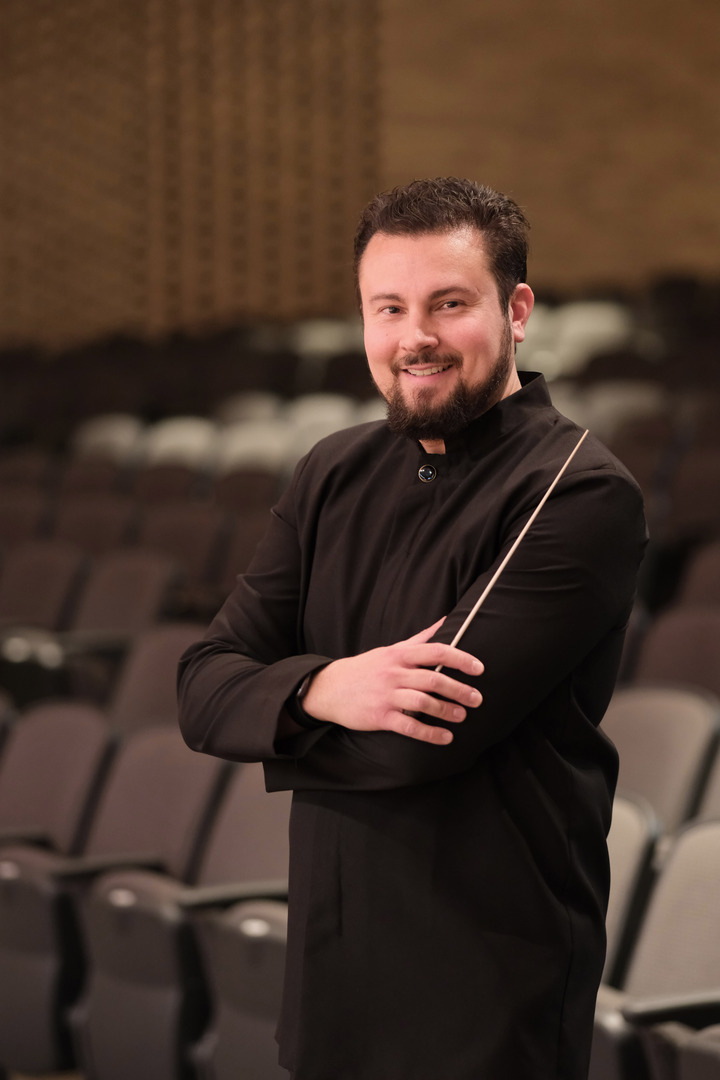
Newly appointed, Music Director Travis Jürgens serves as Director of Music Ministry at Saint Ambrose Catholic Parish and as Music Director of the fully professional Perrysburg Symphony Orchestra. He has been praised as “a superior conductor” and “well on his way to becoming a major conductor in the world of symphony orchestras” (Opus Colorado).
Steve Heitzeg Ghosts of the Grasslands
Ghosts of the Grasslands portray the prairie in winter and is a reference to the tragedies of the prairie. With directives such as “low, rumbling, thundering, searching, remote, across open spaces,” the entire piece consists of a chant-like elegy. The melancholy of the plains and prairie is evoked through soaring string lines, acoustic guitar and percussion sounds involving gourd rattles, native prairie grass bundles, pow wow-style bass drum effects, lone whistling, and clattering buffalo bones. At the end of the piece, each percussionist plays squeaky toys to create prairie dog barks. This represents a symbolic protest for the systematic destruction of the prairie dog on the plains.
Franz Joseph Haydn – Symphony No. 96 ‘Miracle’
Good music was good business in London, and Haydn was a beloved figure there, known for his reputation long before he set foot in England. He composed his Symphony No. 96 on his first trip to London. Modern research has shed some light on the symphony’s nickname, which has some basis in fact. The symphony was completed in 1791 for performance at a hall in London’s trendy Hanover Square. According to legend, at the symphony’s premiere performance on March 11, a chandelier fell from the ceiling of the concert hall, and injuries were averted only because the enthusiastic audience was crowding the stage, out of the chandelier’s reach.
Robert Schumann - Symphony No. 1 ‘Spring’
Schumann composed the work quickly during late January and February of 1841, and its première took place the next month. The poetic inspiration of “spring” is by Adolf Böttger, entitled Frühlingsgedicht (poem of spring) and is full of inspiring, energetic paeans to the season. Indeed, the first movement opens with a dramatic fanfare by the trumpets summoning spring’s awakening. The ensuring allegro depicts spring coming alive. Interesting enough, Schumann introduces a completely new theme at the very end of the work, near the end of the coda—a striking bit of originality by a true German romantic!
Event Links
Website: https://go.evvnt.com/2956494-0
