



This Event has Passed
10 essential steps for developing a successful Shopify store

Monday, March 27, 2023 - 9:00 AM
to Friday, April 05, 2024 - 5:00 PM

9:00 AM - 5:00 PM See all dates and Times


One of the most popular platforms for building an e-commerce store is Shopify. Shopify is a user-friendly platform that allows people to create and manage their online stores without needing advanced technical skills. However, creating a successful Shopify store requires more than just signing up and adding products. In this article, we will discuss ten essential steps for developing a successful Shopify store.
Choose a niche. The first step in developing a successful Shopify store is choosing a niche. A niche is a specific market or category that you want to focus on. When you choose a niche, it allows you to narrow down your focus and create a more targeted store. It's essential to choose a niche that you are passionate about and have a good understanding of. This will make it easier for you to create content, market your store, and choose products.
Conduct market research. Once you have chosen your niche, the next step is to conduct market research. Market research is the process of gathering information about your target market. It helps you understand your audience's needs, preferences, and behaviors, which will help you create a store that resonates with them. You can conduct market research by analyzing competitors, using surveys and questionnaires, and analyzing social media trends.
Choose a domain name Your domain name is the web address that people will use to find your store online. It's essential to choose a domain name that is easy to remember, brandable, and relevant to your niche. Shopify allows you to purchase a domain name directly through their platform or connect an existing domain name.
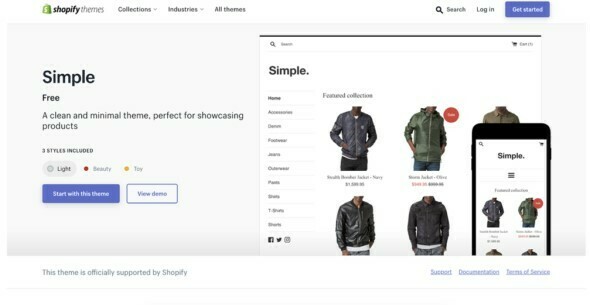
Choose a theme. Shopify offers a wide range of themes that you can use to design your store. Your theme is the visual representation of your store, so it's essential to choose a theme that aligns with your brand and niche. You can choose a free or paid theme, depending on your budget and preferences.
Set up payment gateways. Payment gateways are the services that allow you to accept payments from customers. Shopify integrates with over 100 payment gateways, including PayPal, Stripe, and Amazon Pay. It's essential to set up payment gateways early on to ensure that your customers can easily purchase products from your store.
Add products. Once you have set up your store's foundation, it's time to start adding products. When adding products, it's important to provide accurate descriptions, high-quality images, and competitive pricing. It's also essential to categorize your products to make it easier for customers to find what they are looking for.
Optimize for search engines Search engine optimization (SEO) is the process of optimizing your store to rank higher in search engine results pages (SERPs). When you optimize your store for search engines, you increase your store's visibility and drive more organic traffic. To optimize your store for search engines, you need to use relevant keywords, optimize your product pages, and create high-quality content.
Create a marketing plan. A marketing plan is a comprehensive plan that outlines your store's marketing strategies and tactics. Your marketing plan should include your target audience, marketing goals, marketing channels, and budget. Some common marketing channels for e-commerce stores include social media marketing, email marketing, and influencer marketing.
Launch your store. After you have completed all the above steps, it's time to launch your store. Shopify makes it easy to launch your store, and you can do it with the click of a button. However, before you launch your store, it's essential to test everything to ensure that everything is working correctly.
Monitor and optimize. After you have launched your store, the work doesn't stop there. It's important to monitor your store's performance and make optimizations to improve your store's success. You can monitor your store's performance through Shopify's built-in analytics, which provides data on your store's traffic, sales, and customer behavior. Based on this data, you can make changes to your store's design, product offerings, marketing strategies, and more. Continuously monitoring and optimizing your store will help you stay competitive and improve your store's success over time.
Event Links
Website: https://go.evvnt.com/1635713-0
